

-

-
0

-
subtotal :
- Add product ₹200 more for checkout
-
Welcome to the comprehensive guide on handmade jewelry product pricing by Bahawa Mart from Maharashtra (Mumbai), your premier destination for high-quality jewellery-making supplies.
In this Blog, we will help you gain detailed knowledge about the vital role proper pricing plays in your creative business journey. At Bahawa Mart, we've noticed a common hurdle: whether you are an experienced creator or a beginner-level artist, determining the exact retail price of your final product can be deeply confusing.
Most of the time, due to a lack of guidance, creators feel stuck when a customer asks for a price. You might worry that pricing too low will cause a personal loss, while pricing too high will drive the customer away.
In the world of handmade jewelry, knowing how to value your art is much more than just putting a price tag on a piece. It is the bridge that helps a creator turn a passionate hobby into a sustainable, profitable reality. Without a proper system, your hard work stays undervalued.
It is just like when we see a piece of jewelry with perfect design balance, it doesn't just happen by magic. There are different Pillars used to build a real commercial brand. Whether you are creating a simple daily wear design or an intricate designer article, tracking your expenses accurately plays an important role. And there are many more secrets about which we will know in detail in this Blog of Bahawa Mart.
When you're making jewellery, you want your business backend to be as accurate as possible. But if you fall into common beginner traps, you can end up with a sub-par profit margin. To protect your business from losses, keep these three major pitfalls in mind:
To help you calculate your prices professionally, Bahawa Mart recommends following this structured secret calculation formula for retail sales:
Final Retail Price = (Material Cost + Labor Cost + Other Expenses) + 50% Retail Margin
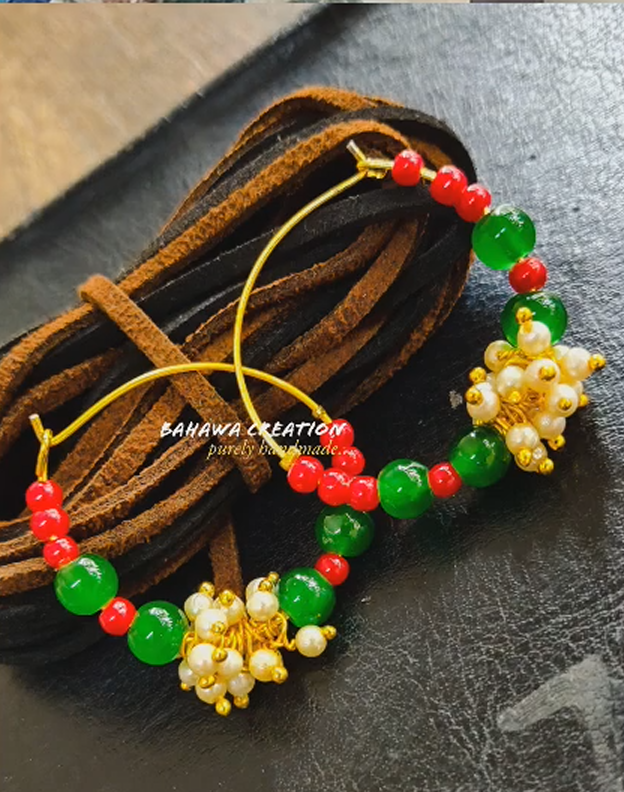
In handmade jewellery making, you will often create clean, beautiful articles that can be assembled quickly. For these fast-forming designs, the calculation stays simple and highly competitive.
Perfect for everyday fashion wear, using minimal components like basic metal loops or simple headpin connections that take minimal assembly time.
To see how the formula works, let's take a standard pair of simple Bali earrings. The raw material cost is ₹40. A skilled maker takes 10 minutes to finish this design. Calculating a labor rate at ₹60 per hour, 10 minutes of labor equals ₹10.
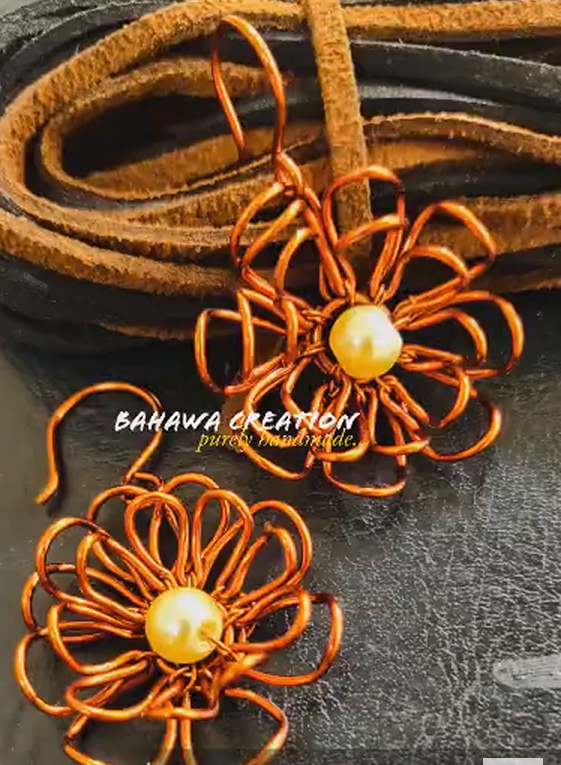
When crafting highly artistic, unique, or designer earrings, your pricing strategy must change. These pieces demand advanced wirework, specialized tools, and a much higher level of creative skill, meaning your time and artistry must be compensated accordingly.
Involves complex layouts, intricate wire wrapping, careful bead placement, and a distinct artistic look that cannot be easily replicated by machines.
Let’s calculate the true value of a specialized designer pair of earrings. The premium raw material cost is ₹40. Because of the heavy detail work, it takes a dedicated creator 30 minutes (half an hour) of focused production time. For specialized artistry, we calculate the labor rate at ₹300 per hour, making 30 minutes of labor equal to ₹150.
To help you structuralize your operations further, below are the common questions faced by creative entrepreneurs:
To calculate labor cost accurately, multiply the exact time it takes to make the item by your hourly wage. For beginners, it's best to track how long the item takes to make once you become fast and skilled, ensuring your pricing matches market standards.
A standard professional profit margin for selling handmade jewelry directly to retail customers is 50%. This margin is added on top of your raw material costs, labor costs, and operational expenses to keep your business profitable.
Aside from basic beads and wires, a professional pricing formula should always factor in an extra 5% for overhead expenses. This covers raw material wastage, travel or shipping costs to source materials, and tool upkeep.